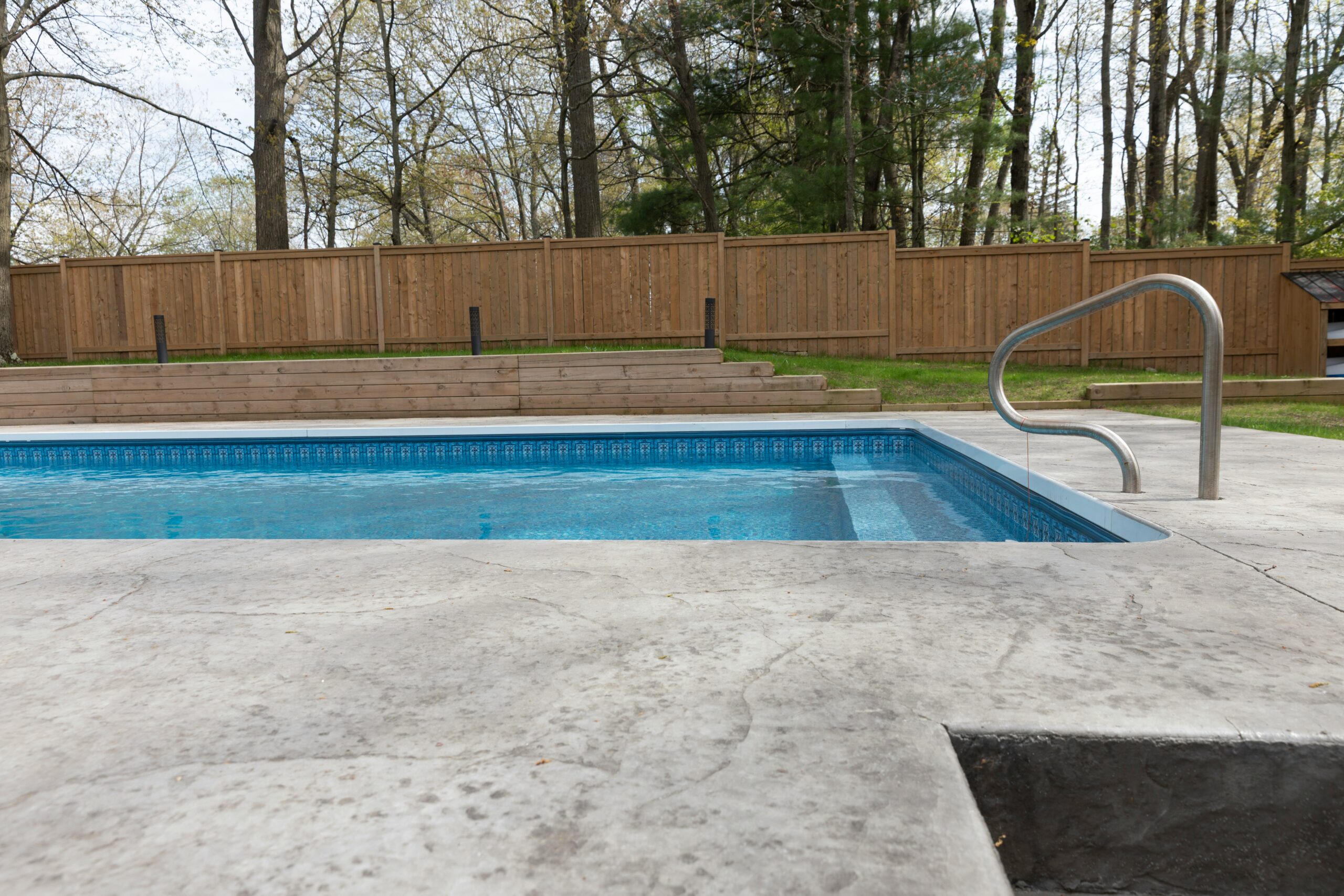
Opening your swimming pool correctly after a long winter is a critical process that sets the stage for the entire season. A thorough and methodical opening ensures clear, safe water and prevents equipment damage. Rushing this process can lead to weeks of frustration. Follow this step-by-step guide for a smooth and successful pool opening.
Step 1: Drain and Clean the Pool Cover Before you even think about removing the cover, use a submersible pump to drain any accumulated water from its surface. Once the water is gone, use a leaf blower or soft broom to clear away all leaves, twigs, and debris. A clean cover is much easier (and lighter) to remove and prevents a winter’s worth of gunk from falling into your pool.
Step 2: Remove the Cover and Winter Plugs With the help of another person if possible, carefully remove the winter cover. Lay it out on a clean, flat surface to be cleaned and dried later before storing. Next, go around your pool and remove all the winterizing plugs from the skimmer and return jets.
Step 3: Reconnect All Equipment It’s time to bring your pool’s circulatory system back online. Reconnect your pump, filter, heater, and any chlorinators you disconnected for the winter. Ensure all drain plugs on the equipment are re-installed and tightened.
Step 4: Fill the Pool to the Proper Level Use a garden hose to fill the pool until the water level is halfway up the skimmer opening. This is the optimal level for your equipment to function correctly.
Step 5: Prime and Start the Pump Open all necessary valves to allow water to flow. Open the air relief valve on your filter. Open the pump lid and fill the strainer basket area with water from a bucket or hose—this is called “priming” and is crucial to prevent the pump from running dry. Quickly close the lid, turn on the pump, and wait for a steady stream of water to come out of the air relief valve before closing it. Let the water circulate for at least 8-12 hours.
Step 6: Test and Balance the Water After the initial circulation, it’s time for your first big chemical test of the season. Test the pH, total alkalinity, and calcium hardness. Add balancing chemicals as needed to get these levels into their ideal ranges first.
Step 7: Shock the Pool Once the basic levels are balanced, it’s time to shock the pool with a heavy dose of chlorine. This will eliminate any bacteria, algae, and contaminants that survived the winter. Follow the package directions, and always shock at dusk or at night. Let the pump run continuously for 24 hours after shocking.
Your pool is now officially open! Continue to test and balance the water over the next few days until your chlorine levels stabilize in the ideal 1-3 ppm range.
Leave a Reply